TACTICAL BRIEFING
//
8 October 2026
Khaldoon al-Mubarak: The Balancing Act Behind Manchester City’s Future
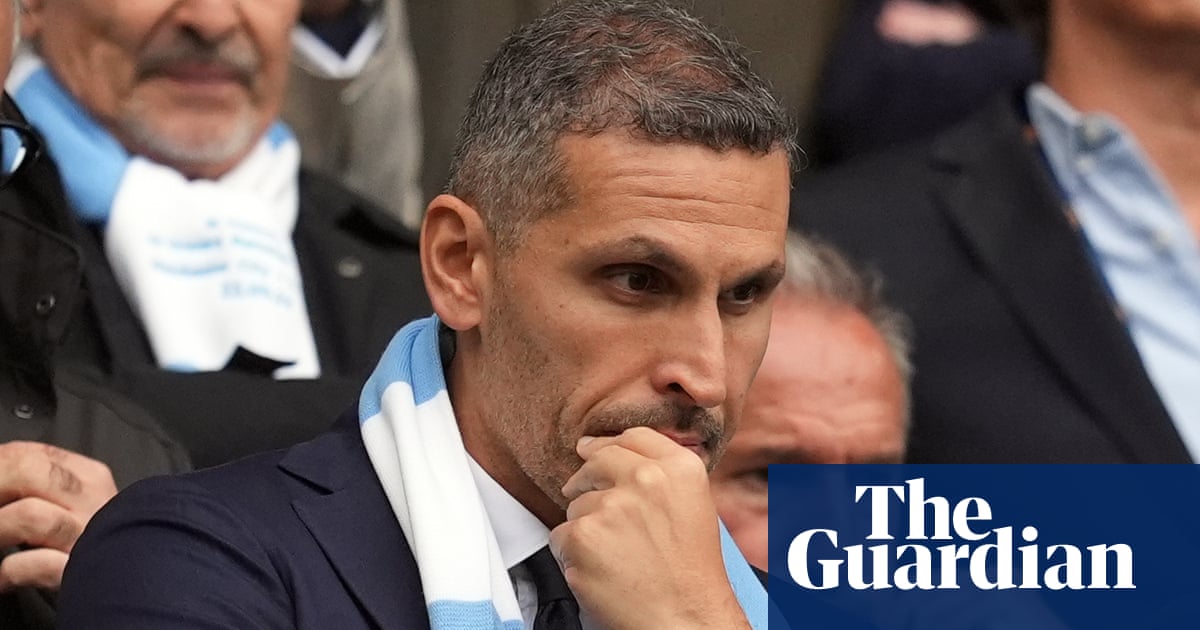
Khaldoon al-Mubarak, the chairman of Manchester City, finds himself at the crossroads of sports and geopolitics as he helps shape Abu Dhabi into a global power. His next steps could even involve selling the club, a move that would send shockwaves through football.
Al-Mubarak knows all too well the delicate balance that Abu Dhabi must strike in its relationships with Western Europe and the intricate politics of the Gulf. His personal history is marked by tragedy; at just eight years old, he lost his father, ambassador Khalifa Ahmed Abdel Aziz al-Mubarak, to an assassination that was politically motivated and left a lasting imprint on his family.
With deep roots in the Emirati establishment, al-Mubarak embodies the legacy of his grandfather, who helped forge the UAE’s Islamic legal foundation. His family's history is honored in Abu Dhabi, with streets named after them, and al-Mubarak has carried on their tradition of service to the ruling family, notably Sheikh Mohamed Bin Zayed al-Nahyan, the UAE's president.
Often regarded as a quasi-adopted son of the royal family, al-Mubarak has significant sway in diplomatic circles, managing crucial relationships with the UK and the US. However, his recent approach to Manchester City's dealings with football authorities may have been a miscalculation.
Manchester City's lawyer, Simon Cliff, revealed that it was al-Mubarak who advocated for the club's confrontational strategy against regulatory bodies. A leaked document from 2014 showed that he preferred to spend millions on legal battles rather than accept penalties from UEFA. Yet, after initially pushing back, both City and Paris Saint-Germain opted for a quieter resolution.
While PSG opted to cooperate and ultimately thrived, City’s ongoing defiance raises eyebrows. Al-Mubarak's approach might have jeopardized his standing with the royal family, especially if the club's appeal against recent sanctions fails. Experts suggest he might soon be tasked with orchestrating the club's sale.
Christopher Davidson, an expert on Abu Dhabi’s political landscape, believes the ramifications for the royal family could be significant. He noted that historically, when things have gone south for Abu Dhabi, the approach has been to pull back rather than double down. The longer City remains embroiled in controversy, the more it could tarnish Abu Dhabi’s reputation.
In June, al-Mubarak claimed that treasures like Manchester City are not for sale and emphasized a commitment to growth. However, Davidson downplays fears about the UK-Abu Dhabi relationship, highlighting that many sectors of Abu Dhabi's economy operate independently of al-Mubarak’s influence.
He pointed to substantial investments in renewable energy and other sectors that remain robust despite the football club's troubles. The International Holding Company, which has diverse interests in the UK, is unlikely to withdraw its investments, assuring that Abu Dhabi’s economic ties remain strong.
As the UK continues to expand its trade agreements with Gulf nations, including the UAE, the stakes for al-Mubarak and Manchester City could not be higher. The coming months will be critical in determining the future of both the club and Abu Dhabi's standing on the global stage.